English Content
Thematic Deepening, Strategic Dialogue and Closing Ceremony
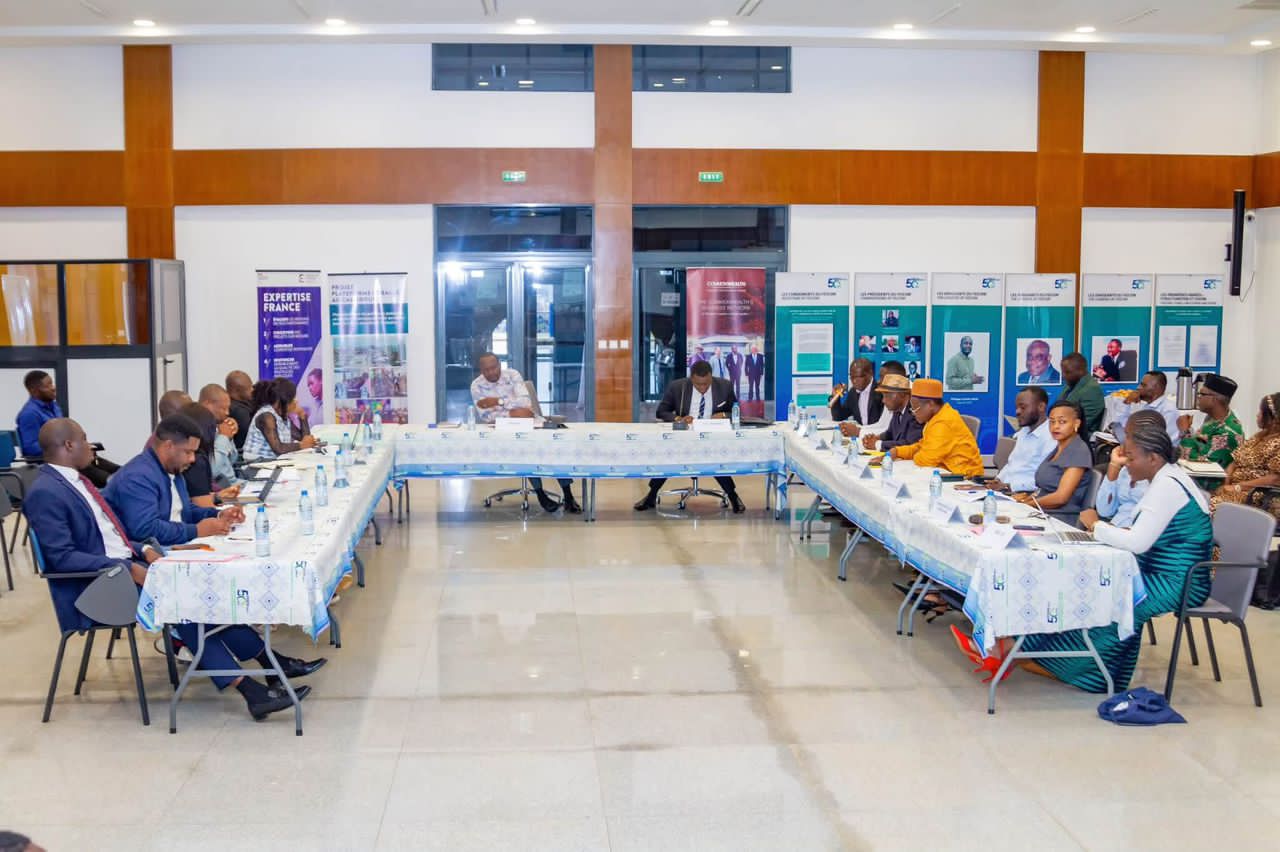
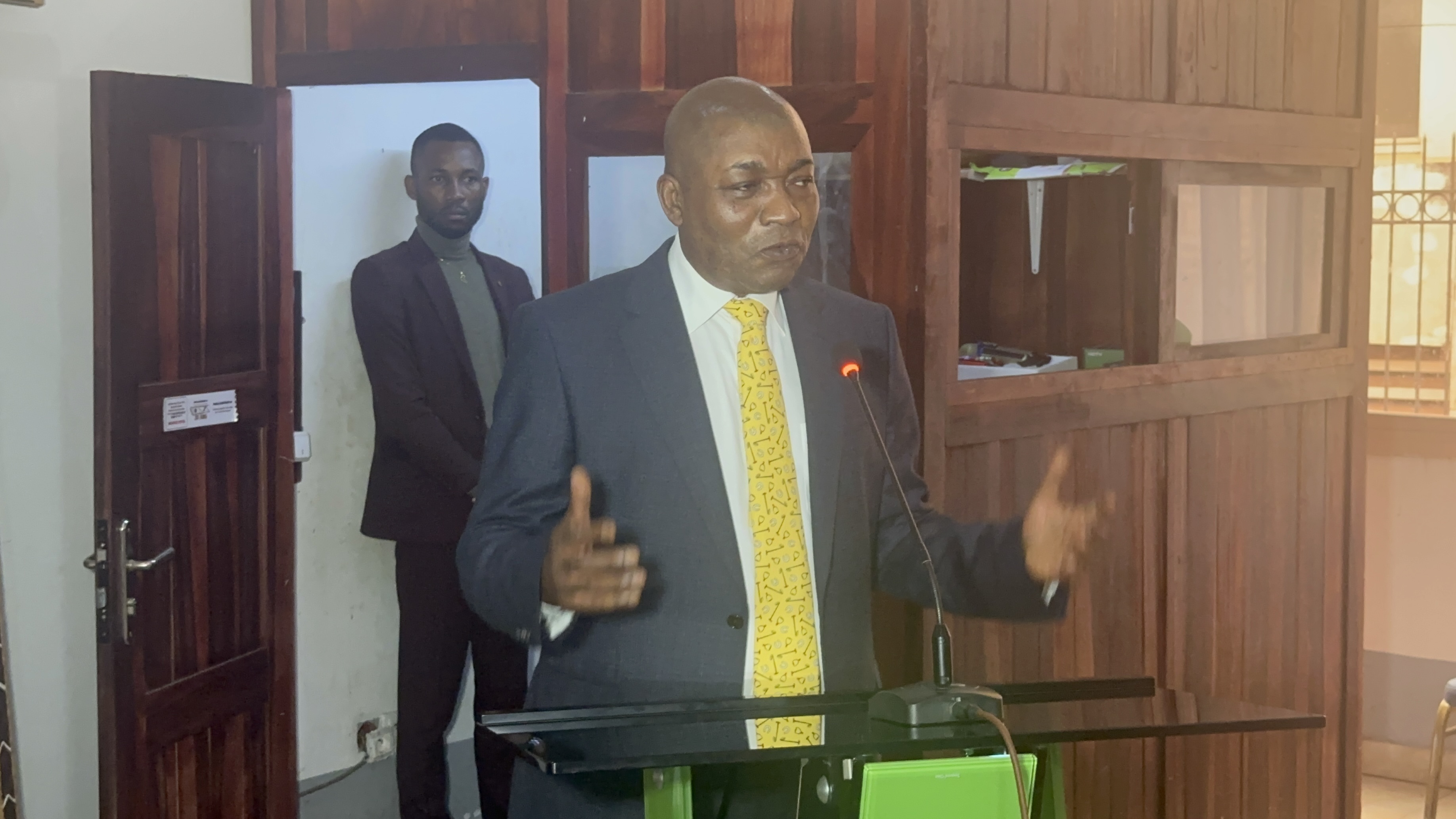
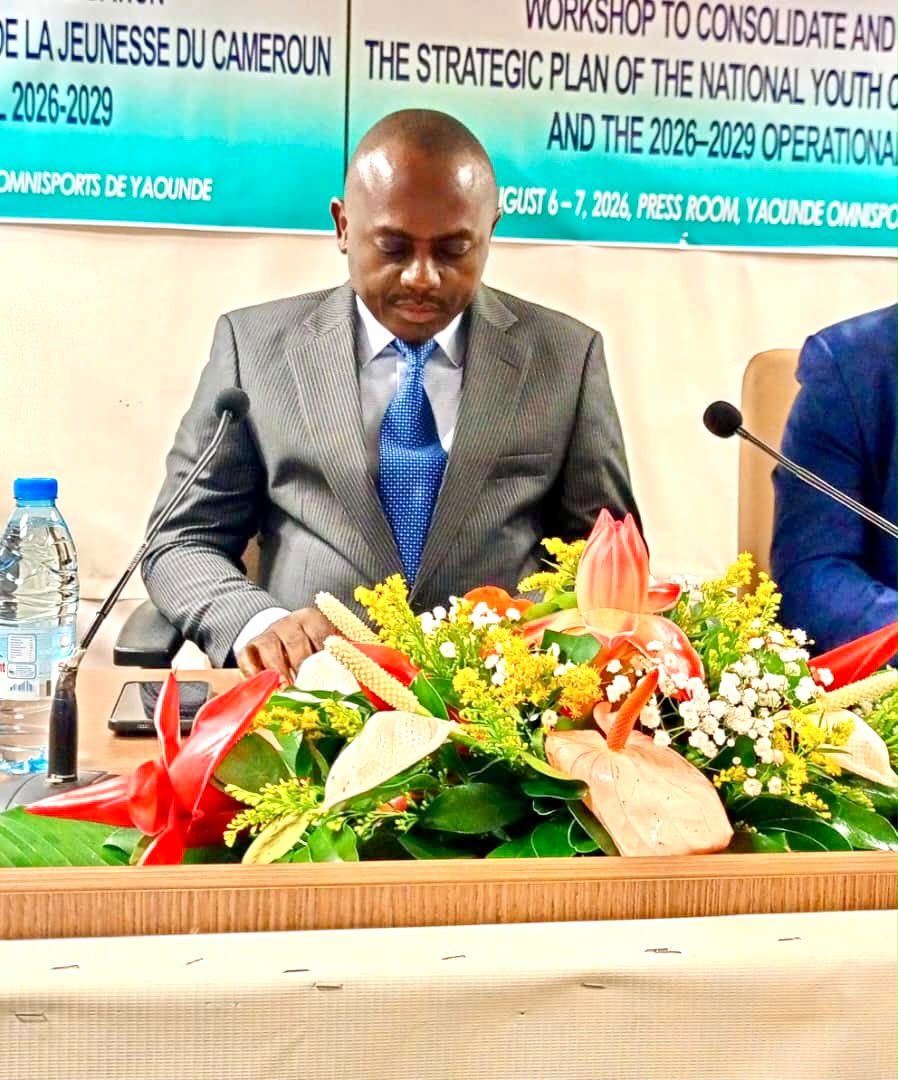
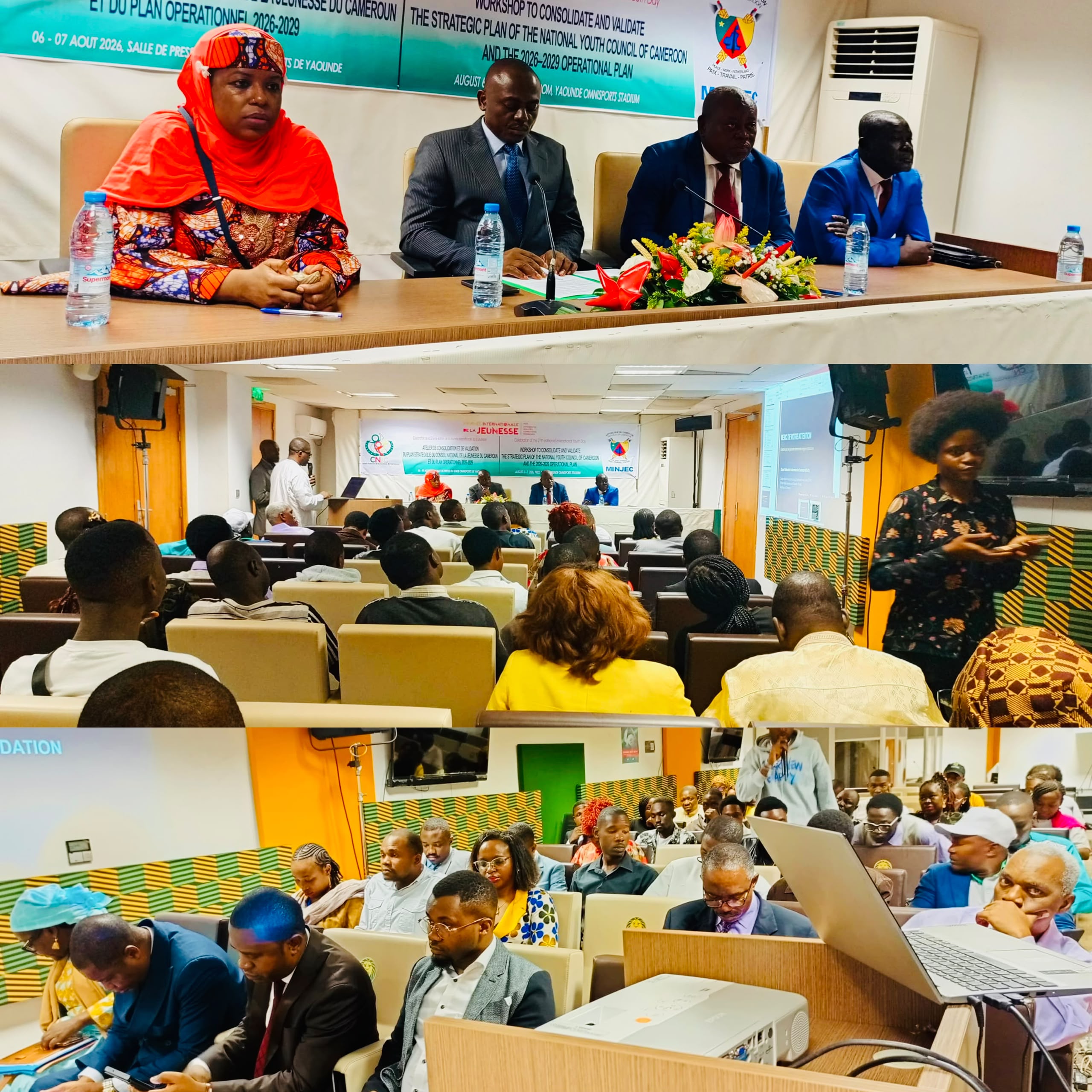
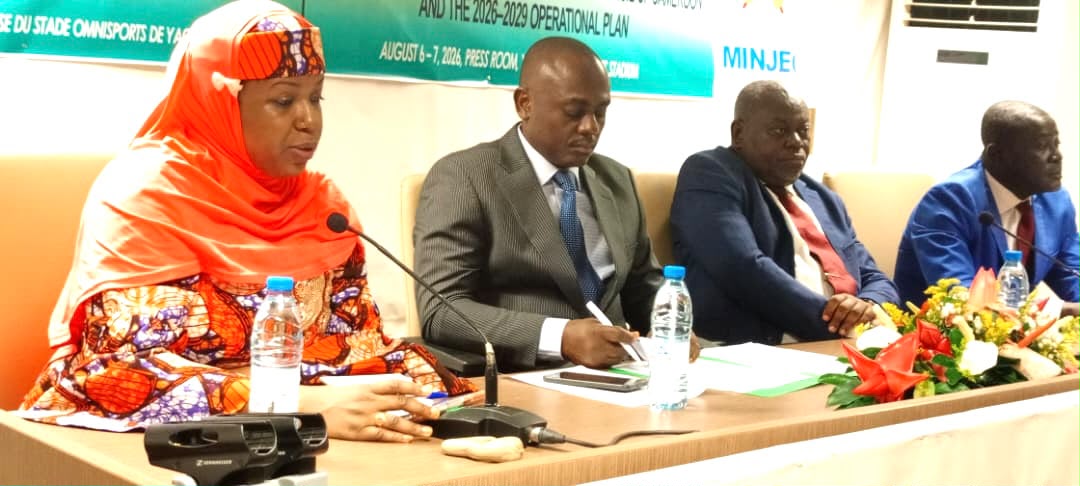
Day 2 of the National Youth Forum (FONAJEUN) was marked by intensive thematic discussions, institutional dialogue, and strong engagement between youth, public administrations, development partners, and private sector actors. Building on the foundations laid during the previous days, the sessions focused on translating policies into practical solutions for young people and strengthening coordination among all stakeholders involved in youth development.
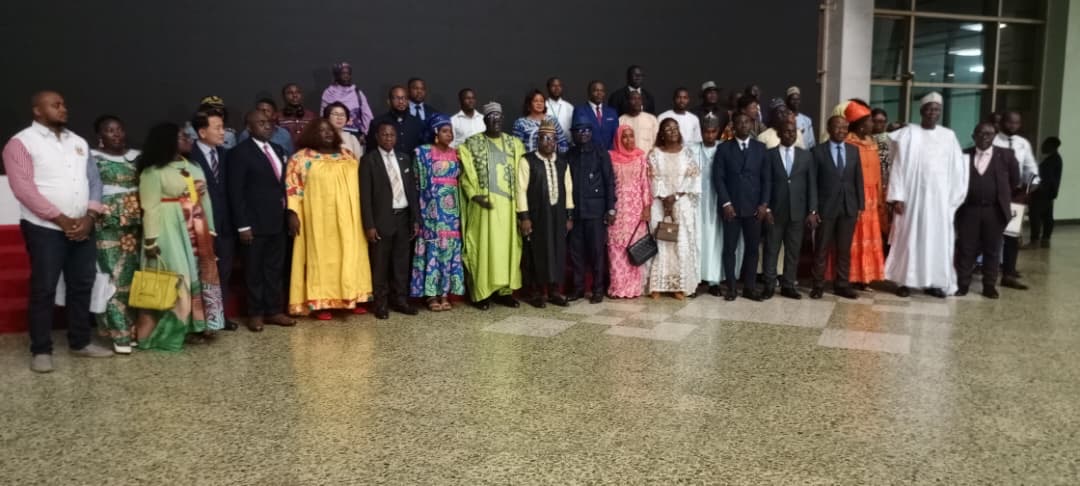
The day concluded with the official closing ceremony, during which key recommendations and resolutions of the Forum were presented.
Panel 1: Youth Participation, Health and Well-Being
This panel explored the link between youth engagement and overall well-being, highlighting the contributions of sectoral ministries.
Ministry of Sports and Physical Education
The Ministry emphasized sports as a tool for youth participation, discipline, and citizenship. Initiatives presented included:
-
Talent identification through national competitions
-
Professional training in sports careers
-
International promotion of young athletes
-
Support for sports infrastructure development through local authorities
Sports were highlighted as a pathway to inclusion, employability, and national pride.
Ministry of Labour and Social Security
Discussions focused on decent work, occupational health, and youth inclusion in the labor market. Programs addressing workplace safety, hygiene, and social protection were presented as key to youth well-being and long-term employability.
Ministry of Public Health
The Ministry outlined youth-focused health interventions, including:
-
Health promotion and disease prevention
-
Mental health awareness
-
Campaigns against substance abuse
-
HIV/AIDS prevention and reproductive health services
Youth participation as volunteers in health awareness campaigns was also emphasized.
MINJEC Contributions
The Ministry of Youth and Civic Education presented its cross-cutting actions supporting youth participation through civic education, youth volunteerism, support to youth organizations, and entrepreneurship promotion.
Panel 2: Governance and Institutional Support
This session examined how to strengthen institutional coordination and youth participation in decision-making.
Ministry of Economy, Planning and Regional Development (MINEPAT)
The Ministry highlighted its role in ensuring that youth priorities are reflected in national planning, budgeting, and evaluation processes. Youth programs are aligned with national development strategies and monitored through results-based frameworks.
Ministry of Decentralization and Local Development
The discussion focused on the role of local authorities in implementing youth programs. Emphasis was placed on strengthening local governance, promoting youth participation at community level, and supporting local economic development initiatives.
Panel 3: Youth, Peace and Security Action Plan
This panel deepened discussions on the National Youth, Peace and Security Action Plan (2025–2030).
Speakers emphasized that youth are central actors in peacebuilding and social cohesion. Topics included:
-
Youth involvement in dialogue and mediation
-
Combating hate speech and misinformation
-
Strengthening youth resilience and civic responsibility
Development partners shared their contributions in supporting youth participation in peace initiatives through technical assistance and funding.
Round Tables with Partners
Technical and Financial Partners
The first round table brought together development partners to discuss alignment of support with national youth priorities. Discussions covered expanding funding opportunities for youth initiatives and strengthening youth leadership programs.
National Private Sector Partners
The second round table engaged private sector actors in discussions on youth employability. Emphasis was placed on internships, mentorship, entrepreneurship financing, and structured partnerships linking training to employment opportunities.
Closing Ceremony
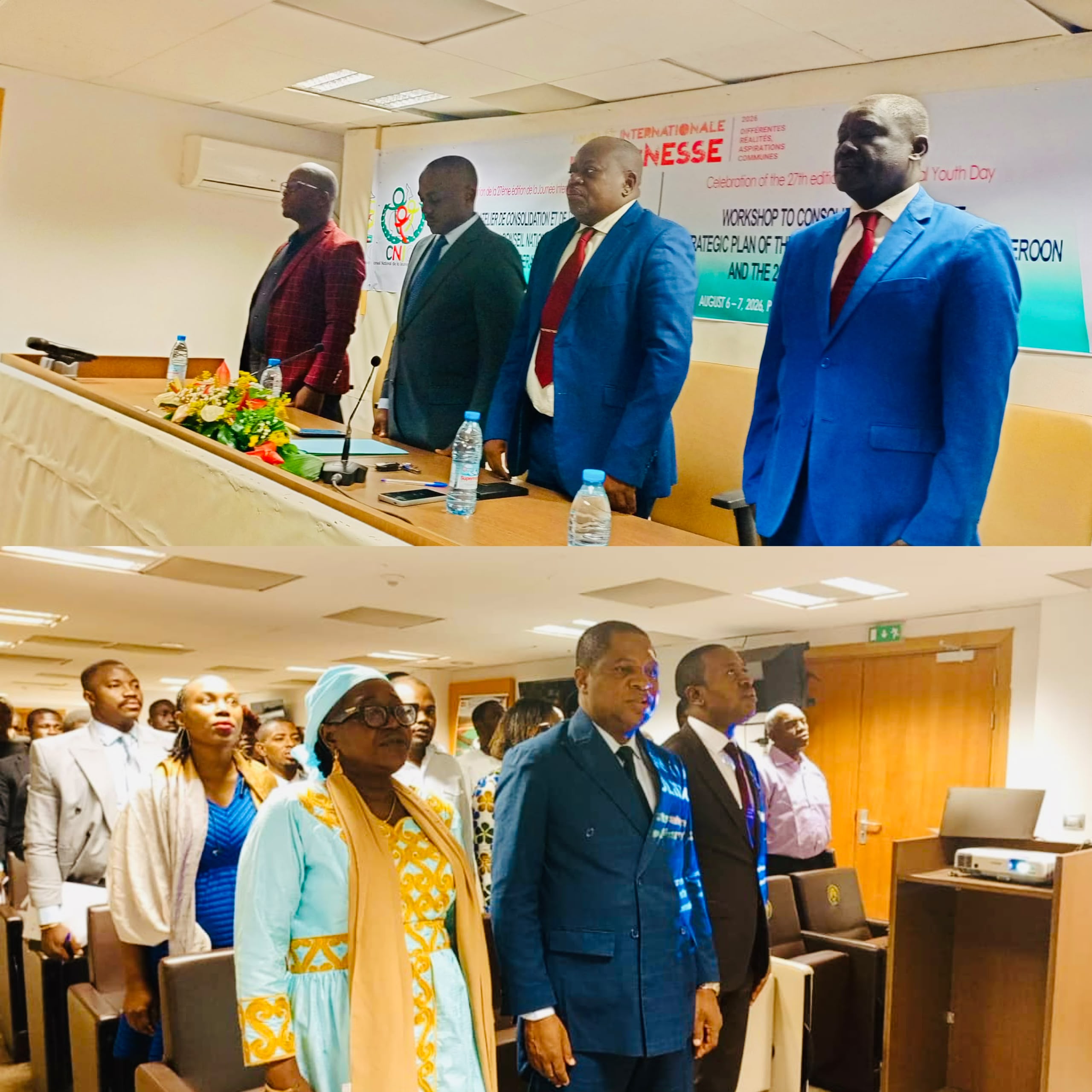
The Forum concluded with an official closing ceremony that highlighted the outcomes of the three days of work.
Presentation of the Forum Report
The rapporteur presented a synthesis of the Forum proceedings, recalling the pre-forum technical sessions and the thematic panels that followed. The report underscored that youth are recognized as a central pillar of national development.
Adoption of Recommendations
The Forum issued key recommendations addressed to sectoral administrations, youth organizations, and partners, including:
-
Finalizing sectoral contributions and integrating youth activities into national planning and budgeting frameworks
-
Strengthening institutional coordination mechanisms for youth policy implementation
-
Enhancing youth participation in decision-making platforms
-
Expanding employment and entrepreneurship support mechanisms
Recognition of Civic Engagement
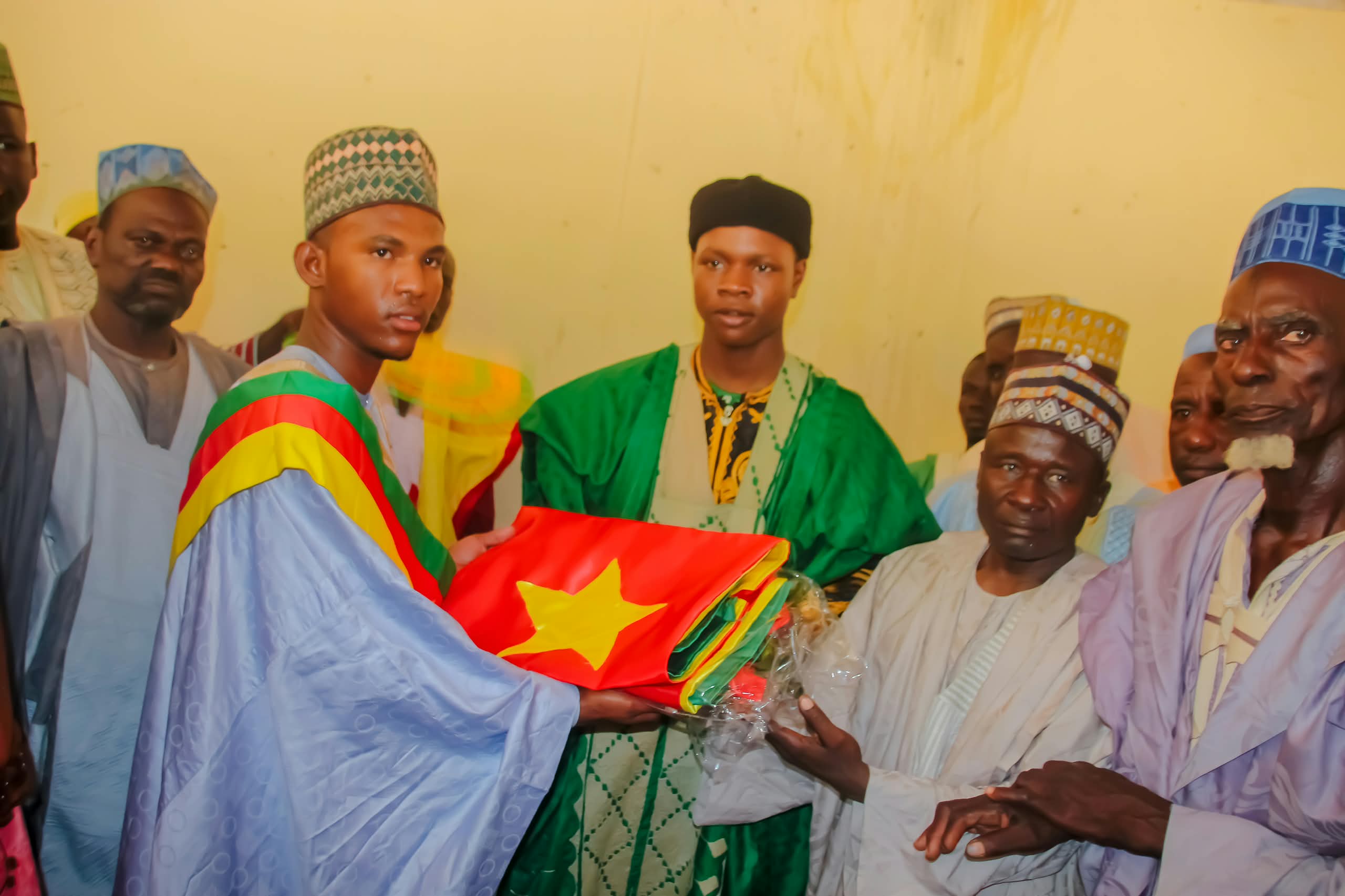
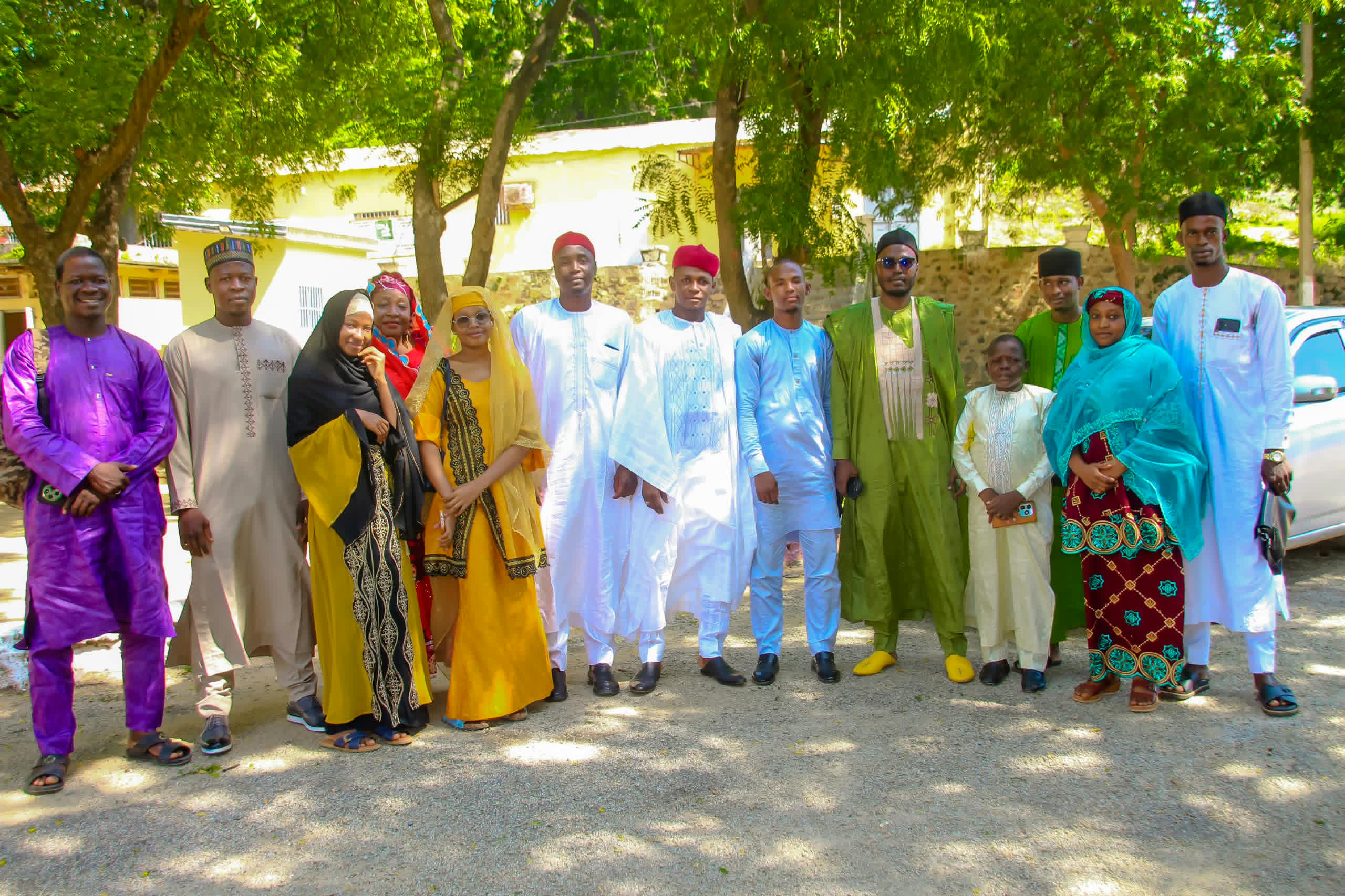
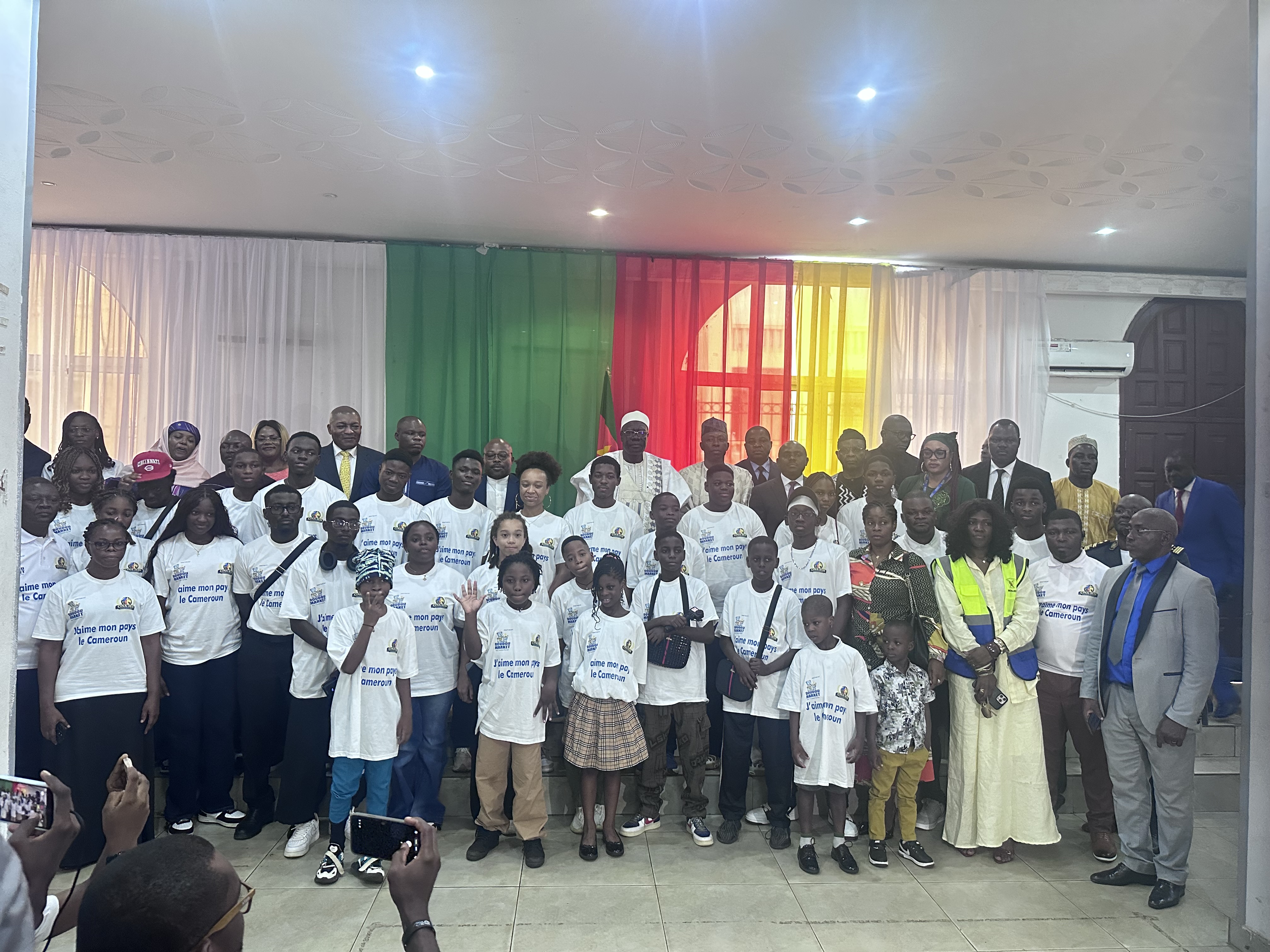
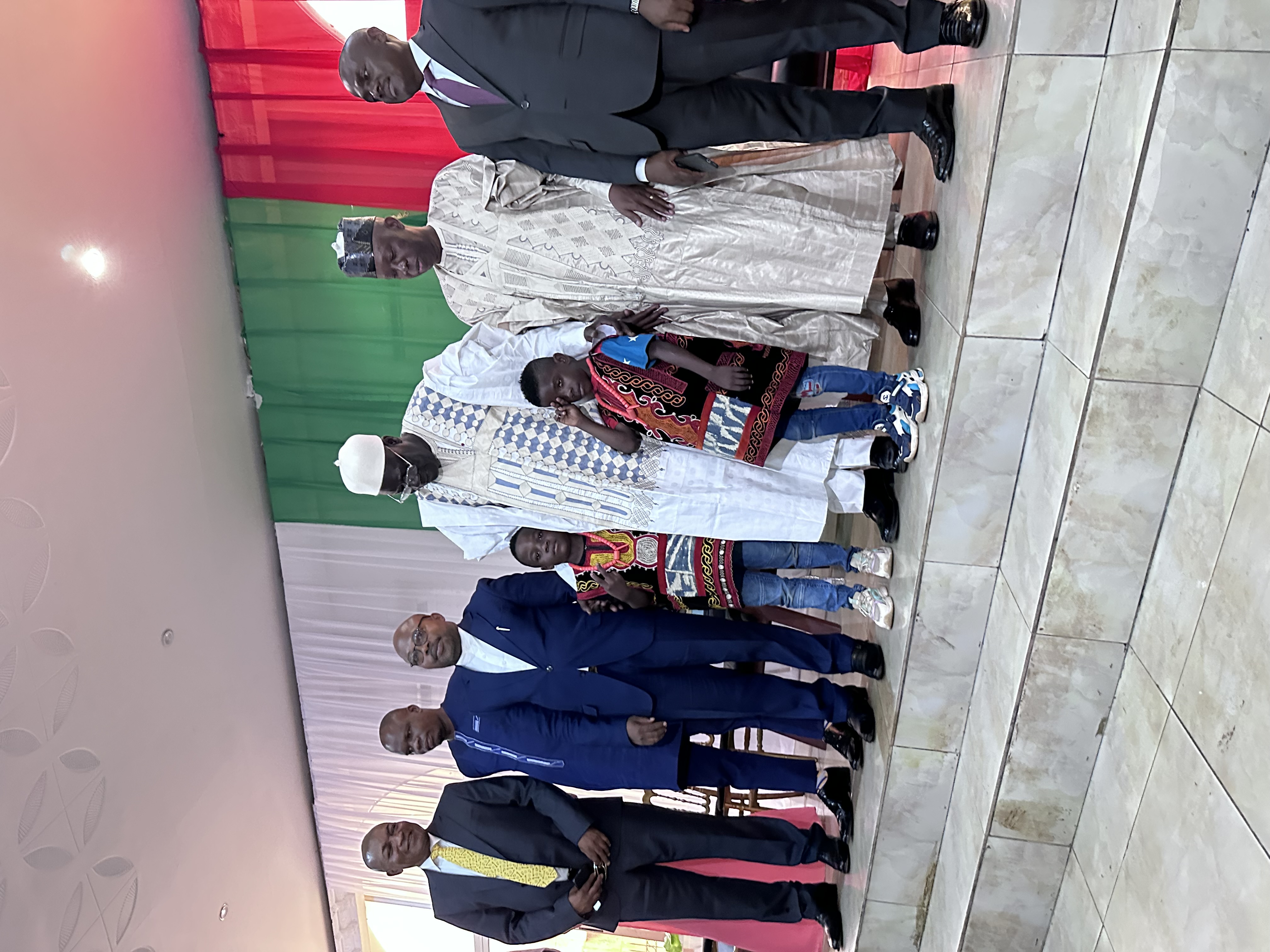
Special recognition was given to youth delegations that demonstrated exemplary civic behavior during the Forum, reinforcing the values of discipline, respect, and national unity.
Closing Address
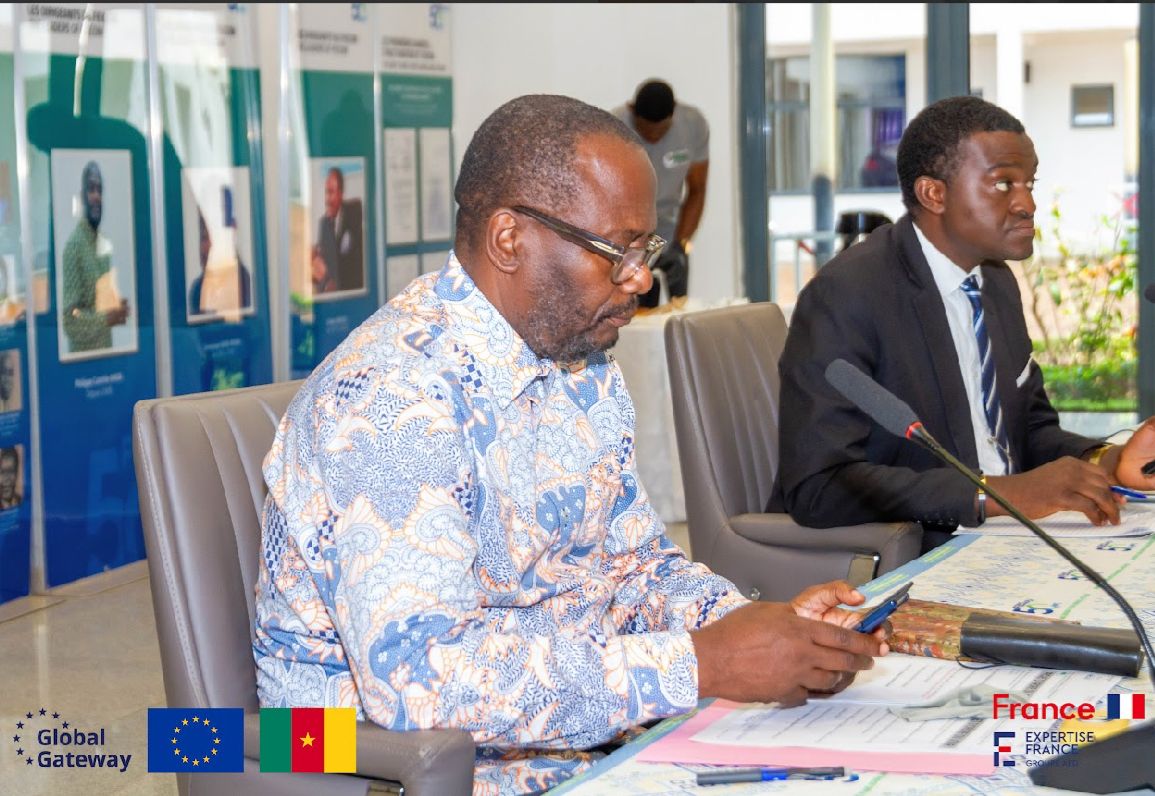
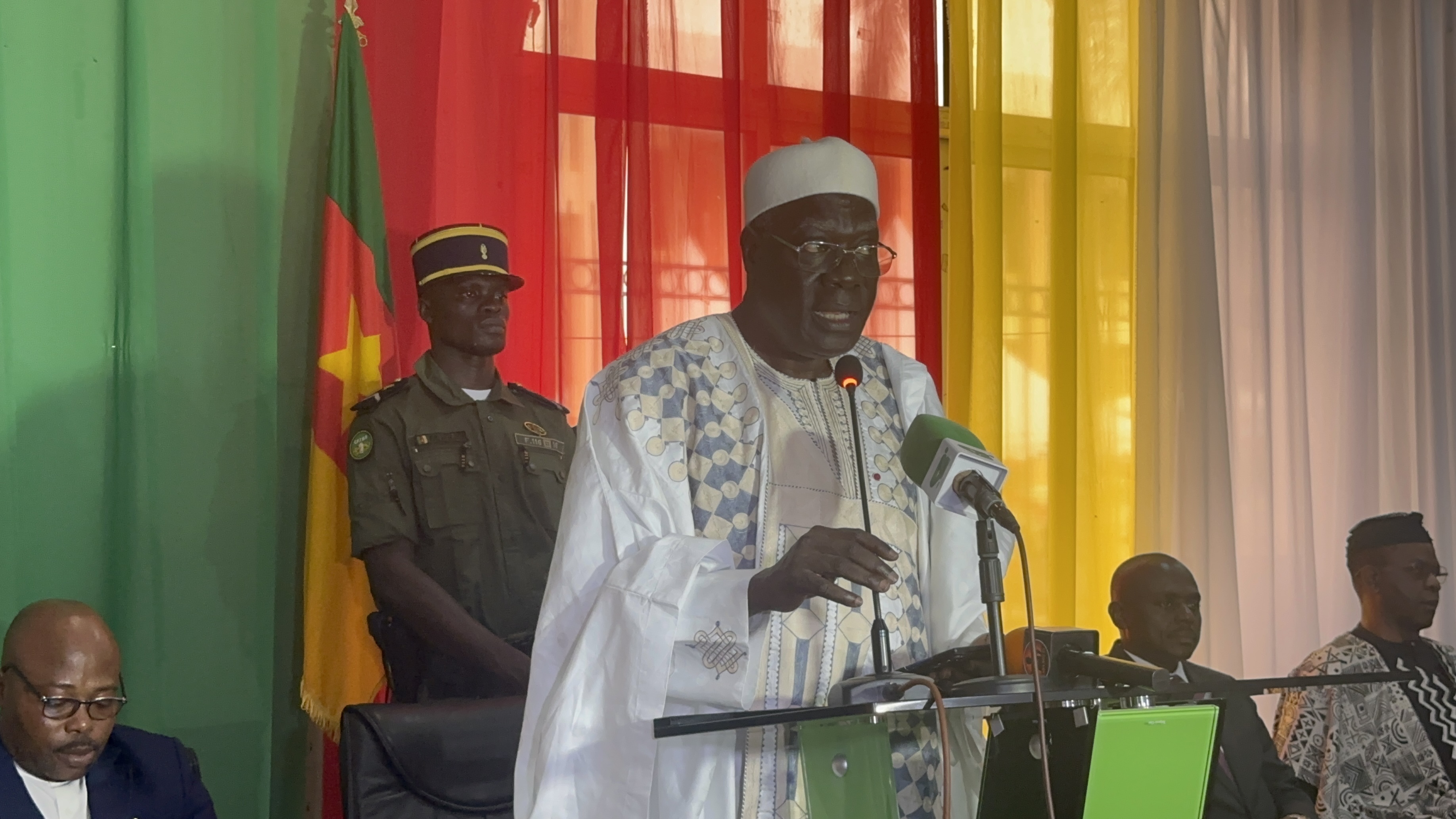
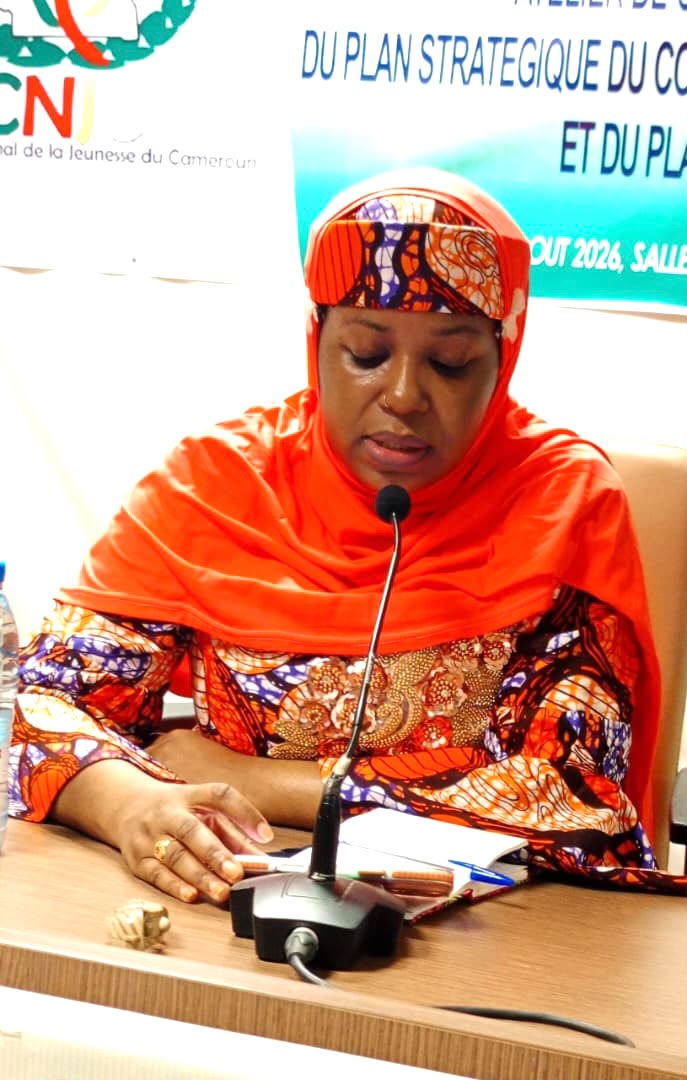
In his closing remarks, Minister Mounouna Foutsou described the Forum as a milestone in participatory governance and a renewed dialogue between the State and youth. He called on young people to transform the Forum’s resolutions into concrete actions within their communities and encouraged all stakeholders to continue supporting youth empowerment initiatives.
Conclusion of Day 2
Day 2 of FONAJEUN reinforced the multi-sectoral and multi-stakeholder approach to youth development. It combined technical discussions with strategic dialogue and culminated in a set of clear recommendations and commitments. The closing ceremony marked the transition from dialogue to action, reaffirming the central role of youth in building a united, peaceful, and prosperous Cameroon.
For more information, join our WhatsApp channel: https://whatsapp.com/channel/0029VaDsCD7A2pL4KYws8i2q