English Content
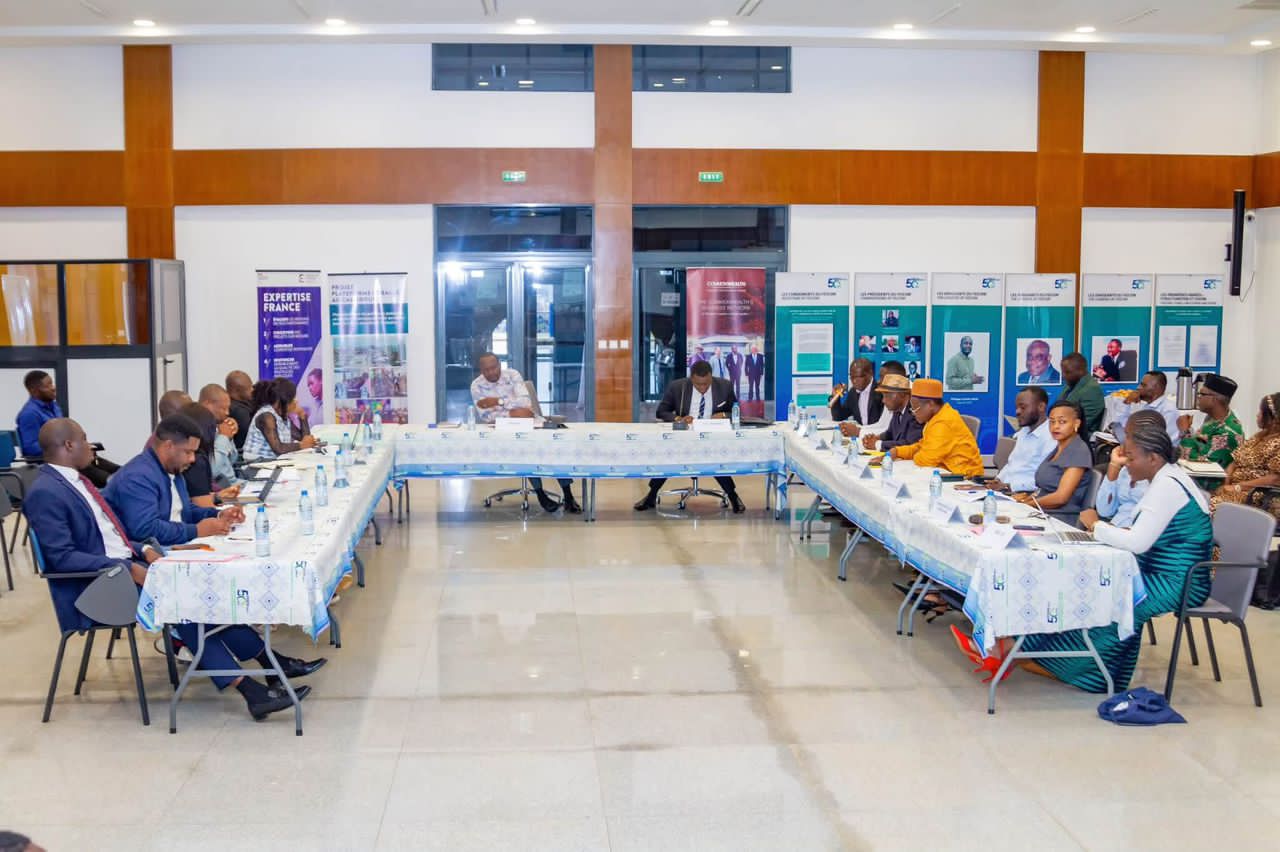
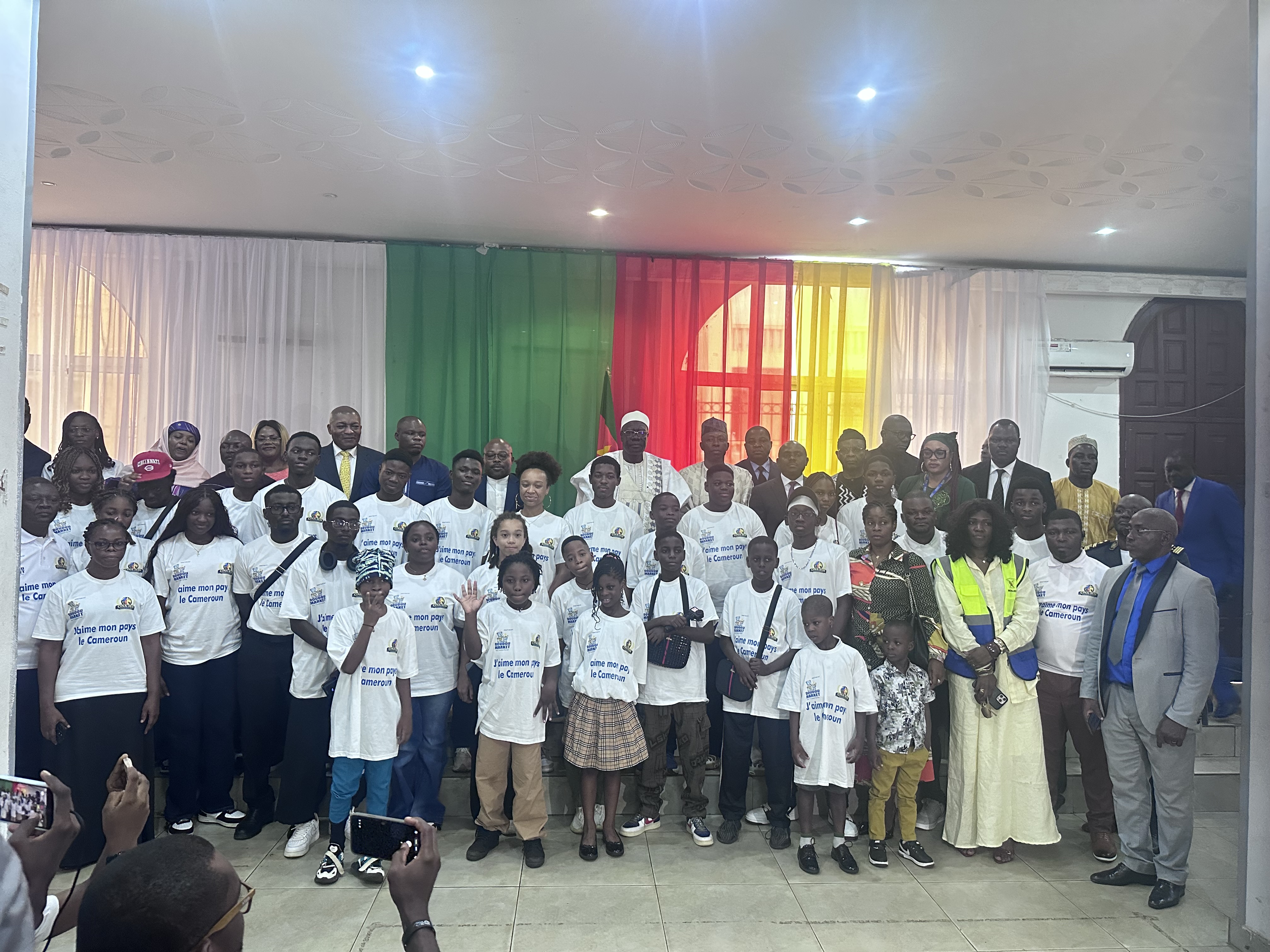
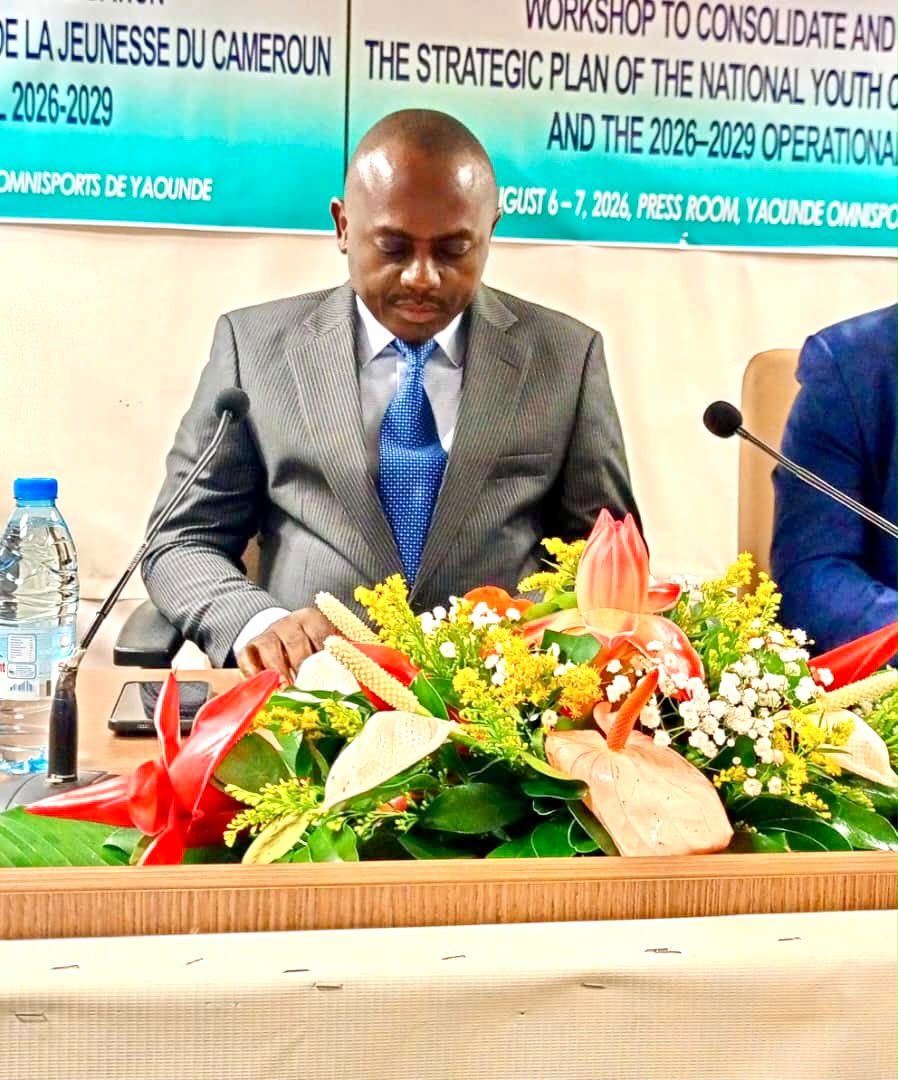
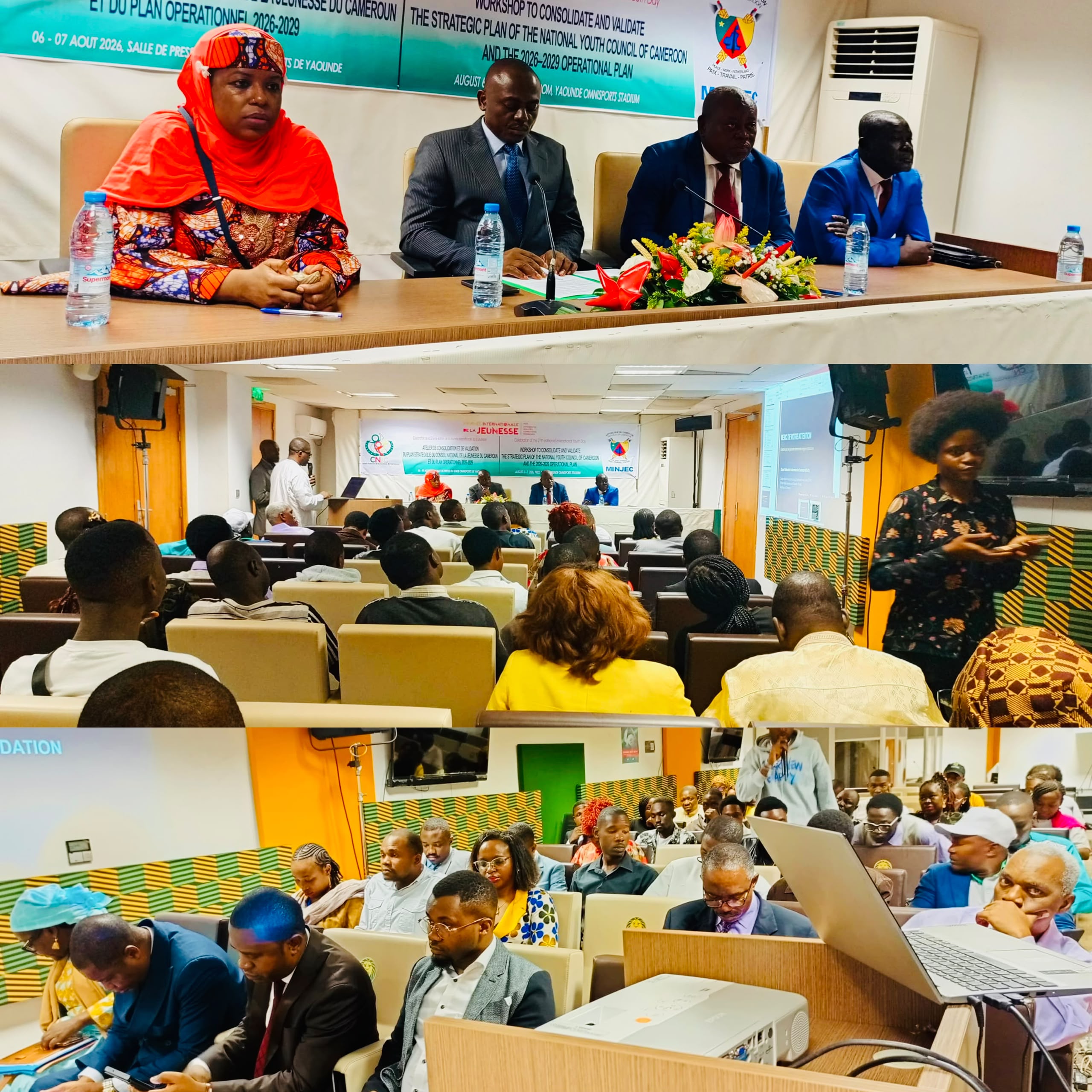
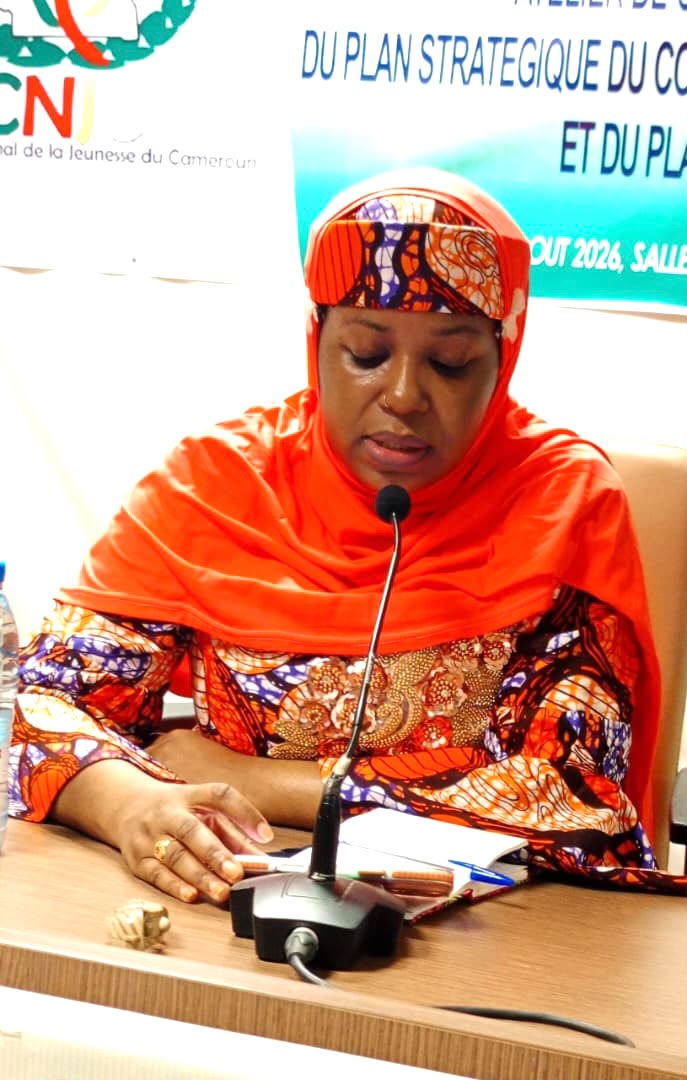
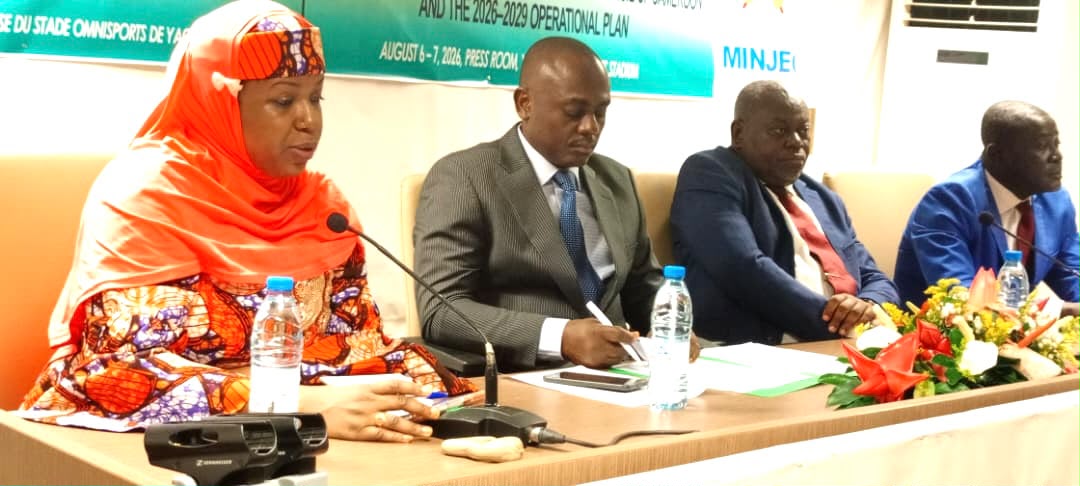
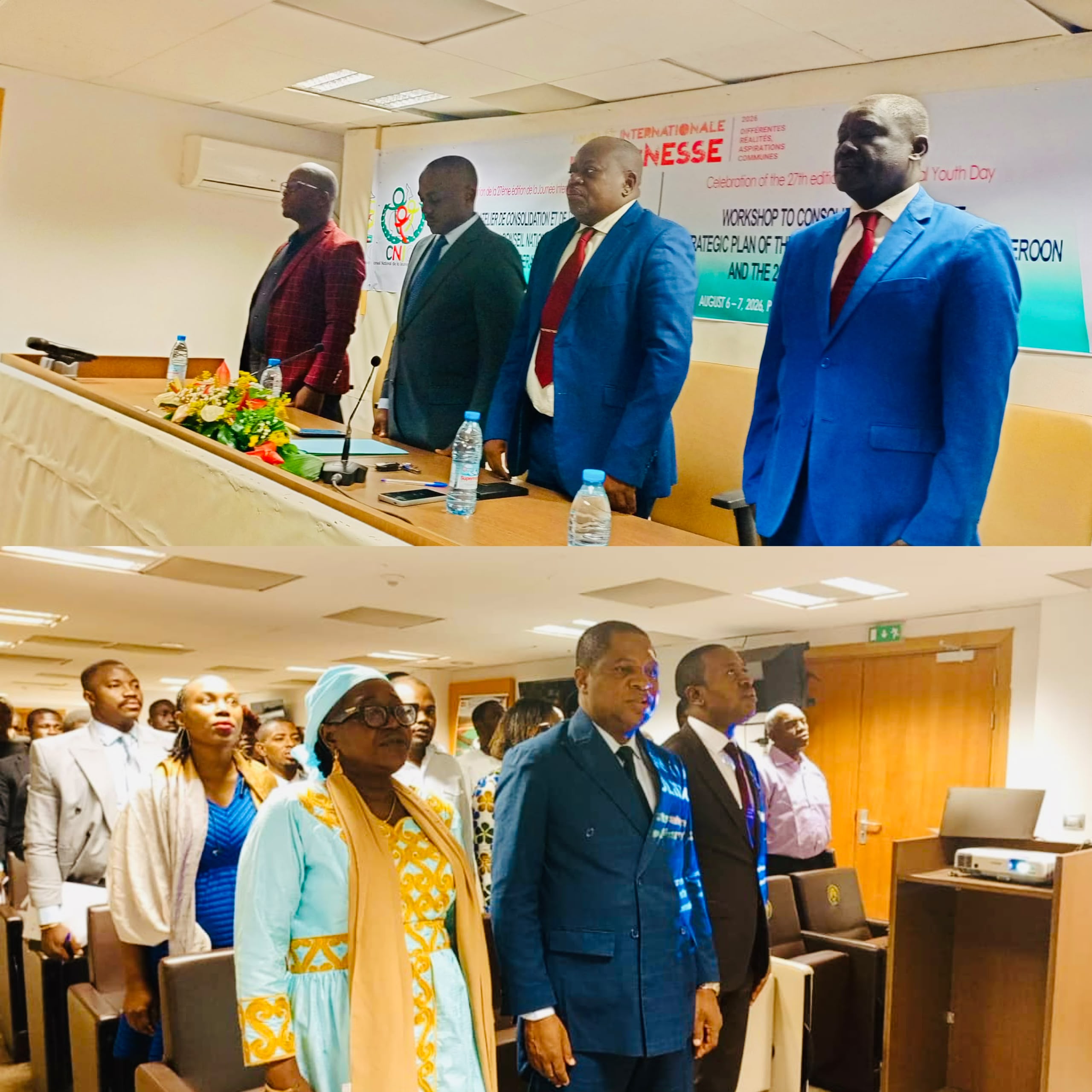
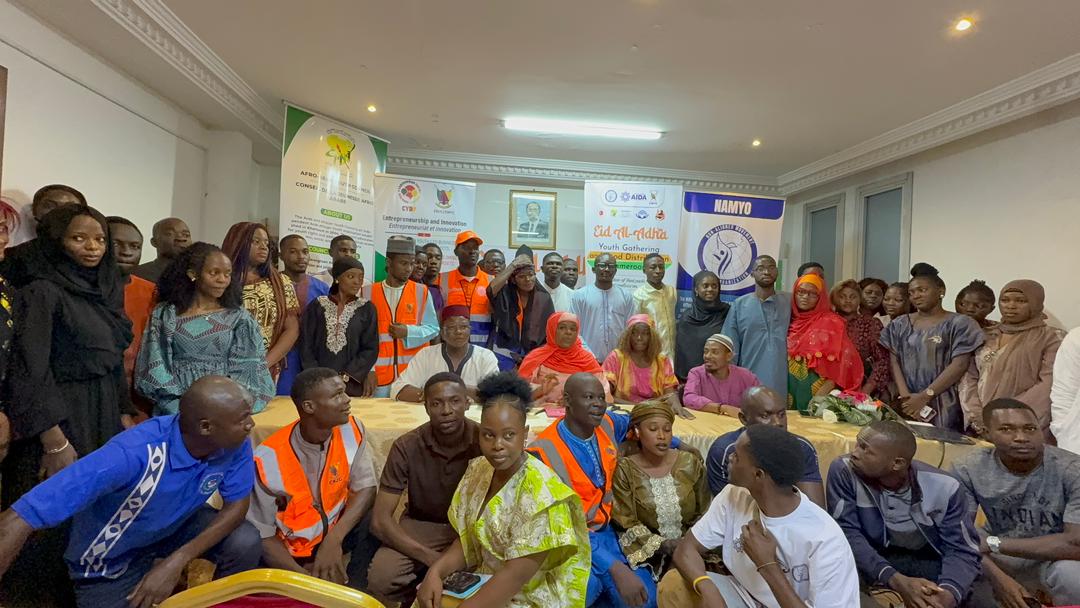
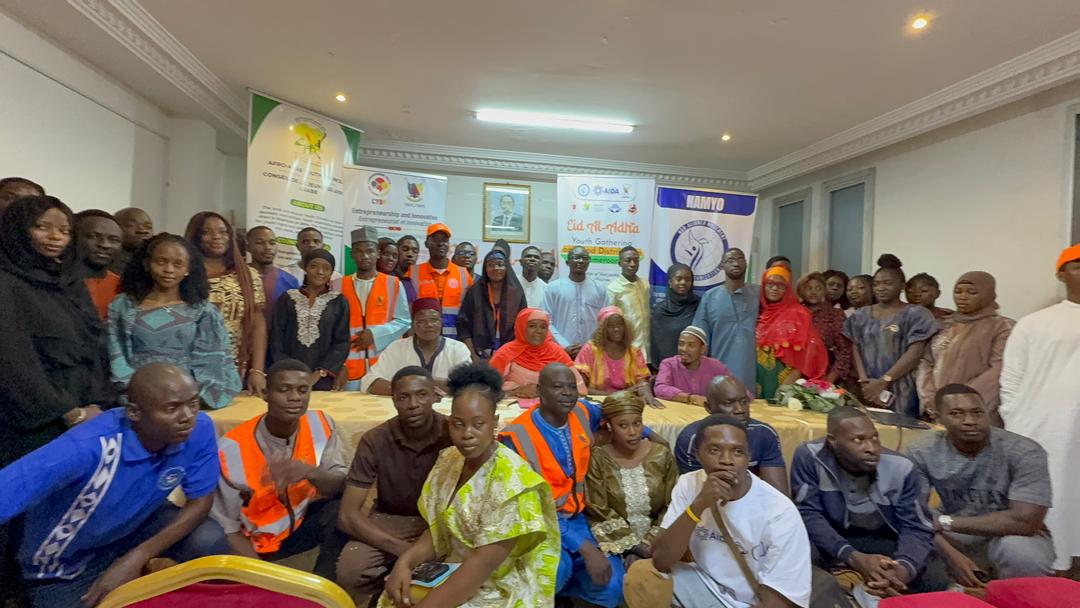
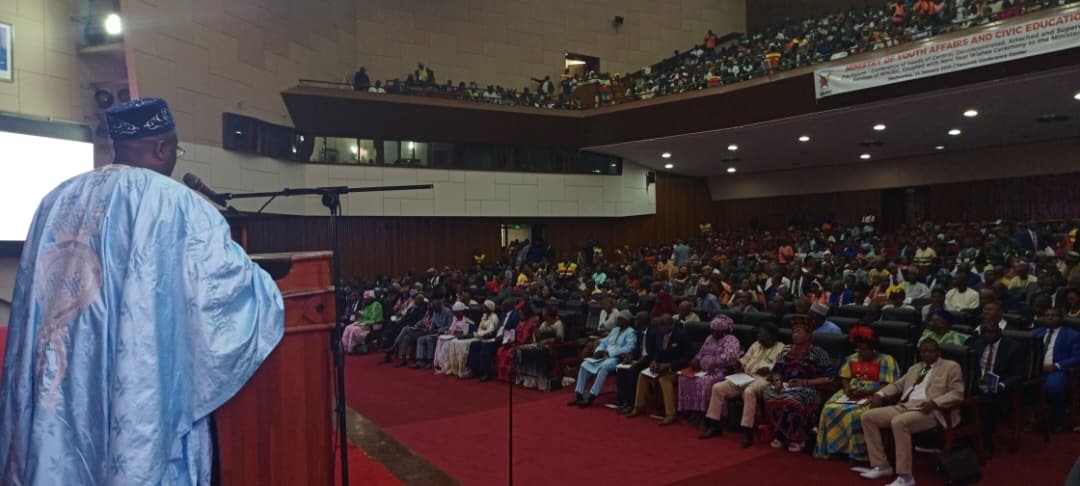
Day 0 of the National Youth Forum (FONAJEUN) was devoted to a high-level pre-forum phase bringing together youth representatives, senior officials of the Ministry of Youth and Civic Education (MINJEC), sectoral administrations, and institutional partners. This preparatory day served as a strategic orientation platform designed to ensure a common understanding of national youth policies, institutional mechanisms, and operational programs that affect young people across Cameroon.
The day’s proceedings focused on clarifying the policy environment, strengthening coordination among stakeholders, and equipping youth leaders with the knowledge required to participate effectively in the main Forum sessions. It established the technical and institutional foundation upon which the official Forum activities would build.
Opening Framework and Institutional Context
The day began in a formal working atmosphere emphasizing discipline, civic responsibility, and ethical conduct in public service. Participants were reminded that youth development is both a policy priority and a shared responsibility between institutions and young citizens.
The introductory exchanges highlighted the importance of aligning youth initiatives with the National Development Strategy 2020–2030 (SND30) and the broader vision of strengthening human capital, promoting decent employment, encouraging civic responsibility, and reinforcing social cohesion.
This initial phase ensured that all participants — particularly youth leaders — understood the strategic direction guiding national youth interventions.
Panel 1: Strategic Framework and Programs of MINJEC
The first technical session provided a detailed overview of MINJEC’s strategic framework and programmatic architecture.
Officials explained how youth issues are mainstreamed into national development planning and presented the four core program areas structuring the Ministry’s interventions:
-
Civic Education and Volunteerism – aimed at strengthening moral values, civic responsibility, and youth engagement in community service.
-
Youth Socio-Economic Integration – focused on employability, entrepreneurship support, and income-generating opportunities.
-
National Integration and Citizen Participation – promoting unity, social cohesion, and structured youth participation in public life.
-
Governance and Institutional Support – ensuring administrative effectiveness, coordination, and accountability in youth-related actions.
This panel emphasized that youth programs are not isolated initiatives but components of a coherent national strategy designed to contribute to sustainable development.
Panel 2: Cross-Cutting Youth Policies and National Frameworks
This session addressed major national frameworks guiding youth development across sectors.
National Youth Policy and Youth Plan
Participants were introduced to the National Youth Policy and its operational tool, the Youth Plan, which translates policy objectives into concrete, measurable actions. The multi-sectoral nature of youth development was emphasized, showing how different ministries contribute to youth empowerment through coordinated programming.
National Youth, Peace and Security Action Plan (PAN-JPS)
This segment underscored the role of young people as agents of peace and stability. The Action Plan aligns with international and continental frameworks and promotes youth involvement in conflict prevention, dialogue, civic engagement, and community resilience.
Special Youth Employment and Entrepreneurship Initiatives
Government representatives presented key employment-focused initiatives aimed at addressing youth unemployment, enhancing skills development, and expanding entrepreneurial opportunities. These programs aim to improve youth access to financing, training, mentorship, and market integration.
Panel 3: Civic Education and Volunteerism
This panel highlighted the importance of civic education as a foundation for responsible citizenship and national cohesion.
Speakers described field-level initiatives designed to promote civic values, patriotism, and volunteer engagement among youth. Programs encouraging youth participation in community development, social solidarity, and nation-building were presented as essential pillars for sustainable development.
The session reaffirmed that youth empowerment extends beyond economic inclusion to include ethical behavior, respect for institutions, and active citizenship.
Panel 4: Youth Socio-Economic Integration
Panel 4 focused on practical mechanisms supporting youth employability and entrepreneurship.
Presentations covered a range of government and partner programs that facilitate:
-
Professional training and skills acquisition
-
Access to business incubation and mentoring
-
Financial support mechanisms for youth enterprises
-
Pathways linking training to employment opportunities
Discussions also highlighted the need to strengthen coordination between training institutions, financing structures, and labor market demands to ensure effective youth integration into the economy.
Panel 5: National Integration and Citizen Participation
This session addressed youth participation in governance, civic engagement, and social cohesion.
Speakers presented platforms that enable young people to engage in public life, including youth councils, associations, and community structures. Emphasis was placed on fostering inclusive participation, strengthening democratic engagement, and promoting peaceful coexistence among diverse communities.
The role of organized youth movements and networks in shaping national dialogue and representing youth interests was also discussed.
Panel 6: Governance and Institutional Support
The final panel examined the institutional mechanisms that ensure effective implementation of youth policies.
Presentations covered the roles of administrative oversight bodies, inspection services, legal divisions, and coordination units within MINJEC and affiliated institutions. Discussions highlighted the importance of:
-
Institutional accountability and transparency
-
Capacity building at decentralized levels
-
Improved coordination between central and regional structures
-
Strengthened monitoring and evaluation systems
Challenges related to resource constraints, staffing, and logistical support at local levels were also acknowledged, along with proposals for strengthening institutional efficiency.
Key Outcomes of Day 0
Day 0 of FONAJEUN achieved several important objectives:
-
Established a shared strategic understanding among youth leaders and institutional actors
-
Clarified national policy frameworks and program structures
-
Strengthened coordination between ministries and youth representatives
-
Provided youth leaders with technical knowledge to participate meaningfully in Forum deliberations
-
Laid a solid institutional and operational foundation for the official Forum sessions
Conclusion
The pre-forum day successfully prepared participants for the main Forum activities by aligning expectations, clarifying institutional roles, and strengthening the knowledge base of youth representatives. It reaffirmed the place of young people as key partners in national development and ensured that subsequent discussions would be structured, informed, and solution-oriented.
Day 0 therefore marked a decisive starting point in the collective effort to build a coherent, inclusive, and action-driven national youth agenda.
For more information, join our WhatsApp channel: https://whatsapp.com/channel/0029VaDsCD7A2pL4KYws8i2q